
Caltta Showcases Emergency Command Gadget One Click Away from the Quick Channel of Rescue

×
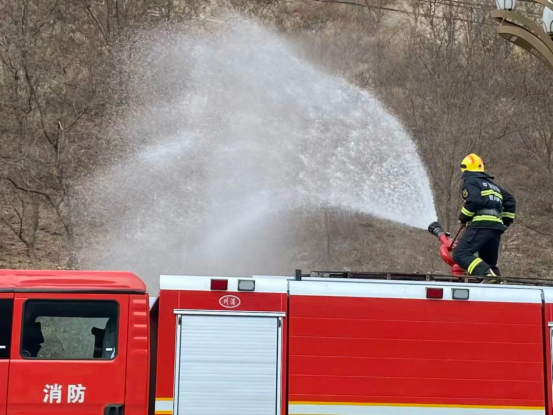
[Shenzhen, China] — Caltta Technologies, a global provider of professional wireless communications solutions, has successfully deployed its DMR SmartLink Ad-Hoc networking solution to build a dedicated emergency communication network across the Jiuzhaigou Valley Scenic and Historic Interest Area, significantly enhancing safety management, forest patrol operations and emergency response capabilities in the protected area.
Recognized as a global biodiversity hotspot and one of the most iconic scenic destinations in China, Jiuzhaigou is known for its extensive forest ecosystems, alpine landscapes and high visitor volumes. However, the region’s rugged mountainous terrain, dense forests and deep valleys create significant challenges for traditional communication infrastructure.
To address these challenges, the Jiuzhaigou Scenic Area Administration partnered with Caltta to deploy the DMR SmartLink Ad-Hoc Network System, creating a resilient and flexible private communication network that ensures reliable connectivity across the protected area.
Overcoming Communication Challenges in Mountainous Terrain
Jiuzhaigou’s dramatic natural landscape—featuring high mountains, deep canyons, dense forests and numerous lakes—creates natural barriers for wireless signal propagation. These geographic conditions can easily lead to communication blind spots that complicate patrol coordination and emergency response.
At the same time, strict environmental protection policies limit large-scale infrastructure construction in the national nature reserve. Communication solutions must therefore minimize environmental impact while still delivering reliable coverage across the vast scenic area.
SmartLink Ad-Hoc Network Enables Flexible and Reliable Connectivity
To ensure stable communications in this complex environment, Caltta implemented its SmartLink narrowband ad-hoc networking technology.
The system operates on a centerless, self-organizing architecture, allowing network nodes to automatically form a wireless communication network without relying on traditional wired infrastructure or external transmission links. This design makes it particularly suitable for mountainous and remote areas where communication infrastructure is difficult to deploy.
The project integrates:
a) Fixed base stations for routine network coverage
b) Mobile base stations for rapid deployment during emergency situations
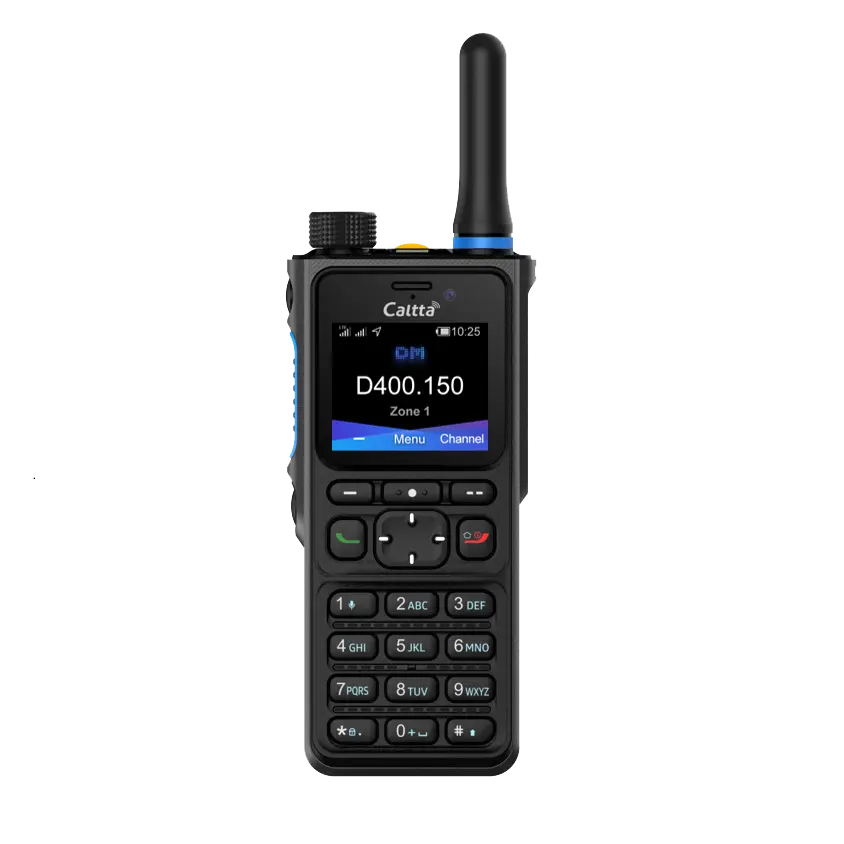
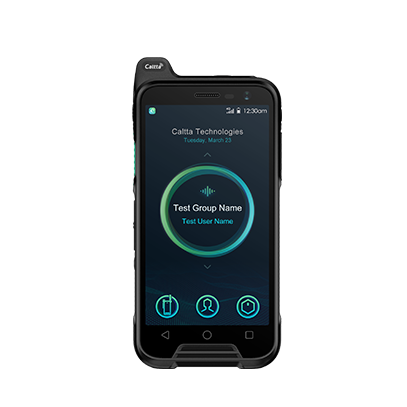
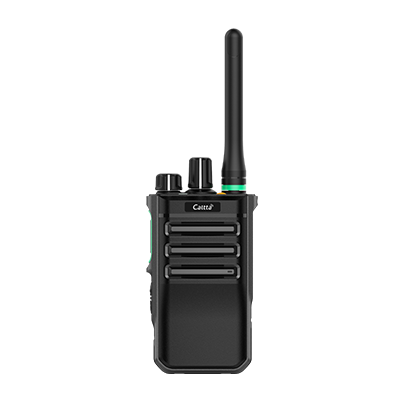
c) Professional handheld and vehicle-mounted terminals for patrol personnel
d) A centralized dispatching platform for unified command and management
Using this integrated network, field personnel can conduct real-time voice communications, messaging and positioning, while the command center can monitor operations and coordinate resources through a unified communication system.
Operating in the ultra-high frequency band, the SmartLink network also benefits from strong signal diffraction capabilities, enabling reliable communications even in mountainous terrain and dense forest environments.
Supporting Patrol, Fire Prevention and Emergency Response
The deployment of the SmartLink system establishes a robust communication foundation for the scenic area and supports several critical operational needs:
Rapid Deployment in Remote Areas
Compact and low-power equipment enables quick installation in mountainous and forest environments without the need for equipment rooms or transmission links.
High Reliability in Harsh Conditions
The ruggedized system design allows stable operation in challenging environments including high altitude, strong winds and heavy rainfall.
Resilient Network Architecture
Supporting multiple networking topologies such as chain, star, tree and mesh structures, the system can automatically reconfigure if individual nodes fail.
Comprehensive Communication Services
The network supports voice calls, messaging, positioning, visual dispatching and remote management, improving operational efficiency for patrol and emergency teams.
Solar-Powered Infrastructure Minimizes Environmental Impact
To further support ecological protection goals, SmartLink base stations deployed in Jiuzhaigou utilize integrated solar power systems. These stations operate independently of commercial power grids, reducing infrastructure requirements and minimizing environmental impact within the protected area.
This environmentally friendly deployment approach ensures that communication infrastructure can coexist with the region’s fragile natural ecosystem.
Advanced Communications Safeguarding Natural Heritage
As the cultural tourism sector continues to prioritize both safety management and environmental protection, reliable communication infrastructure has become essential for managing large natural scenic areas and national parks.
“Caltta aims to deliver advanced mission-critical communication technologies which can overcome terrain challenges, support forest patrol and wildfire prevention operations, and strengthen emergency command capabilities.” said Mr. Long, CEO of Caltta Technologies.
By combining innovative wireless networking with environmentally sustainable deployment strategies, the SmartLink system provides a powerful communication foundation for protecting one of the world’s most treasured natural heritage sites.



+86-0755-86556659